Skip to content



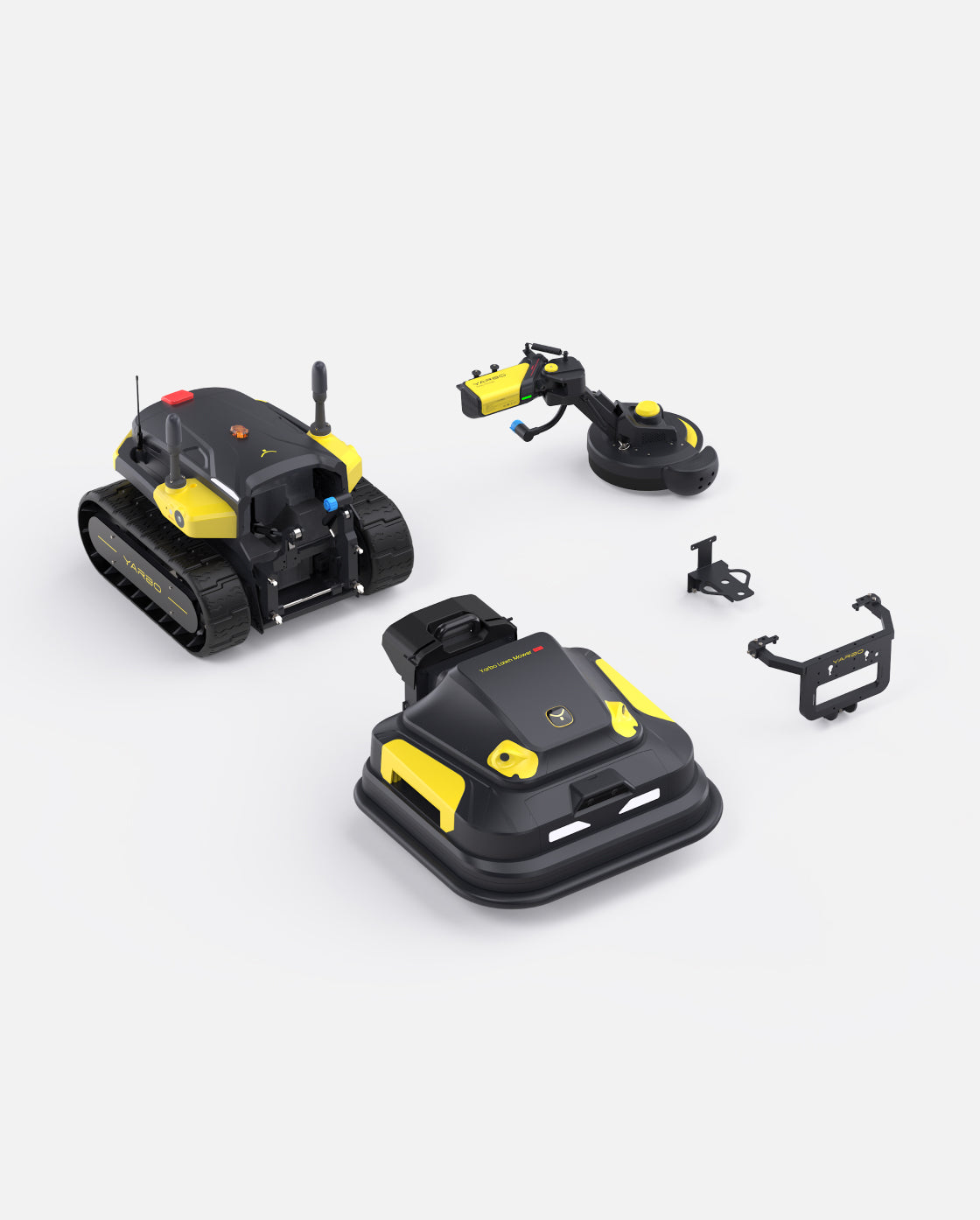
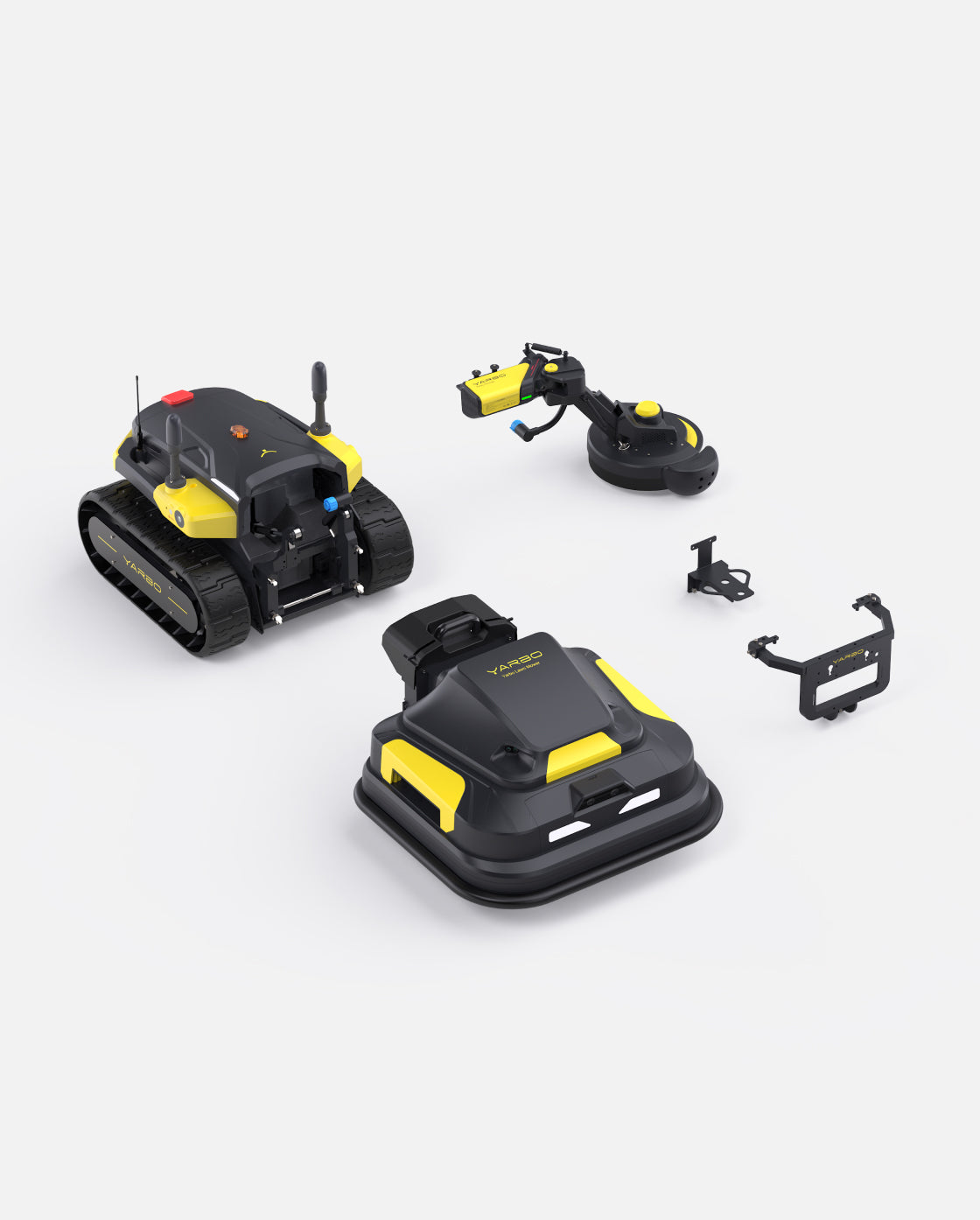
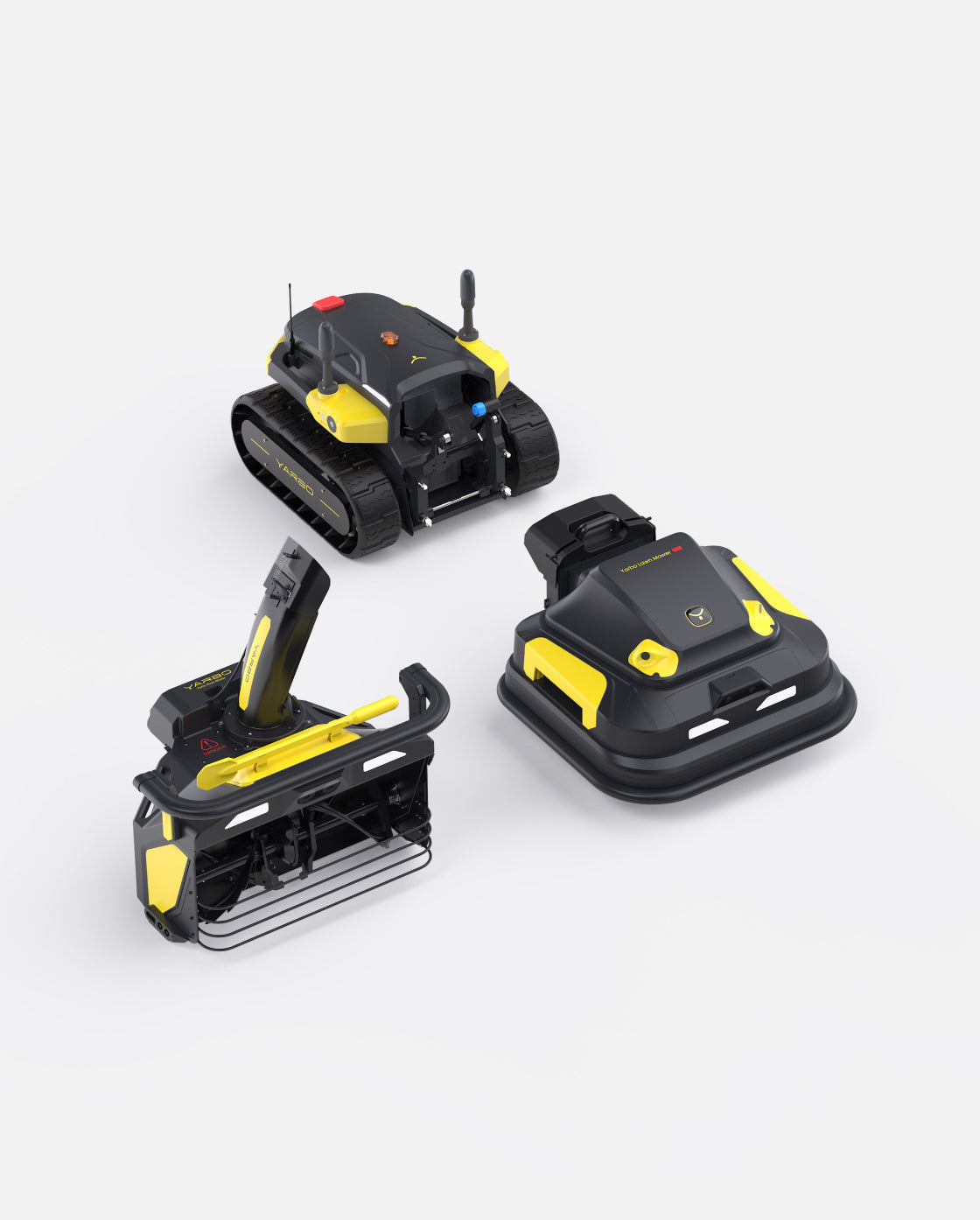
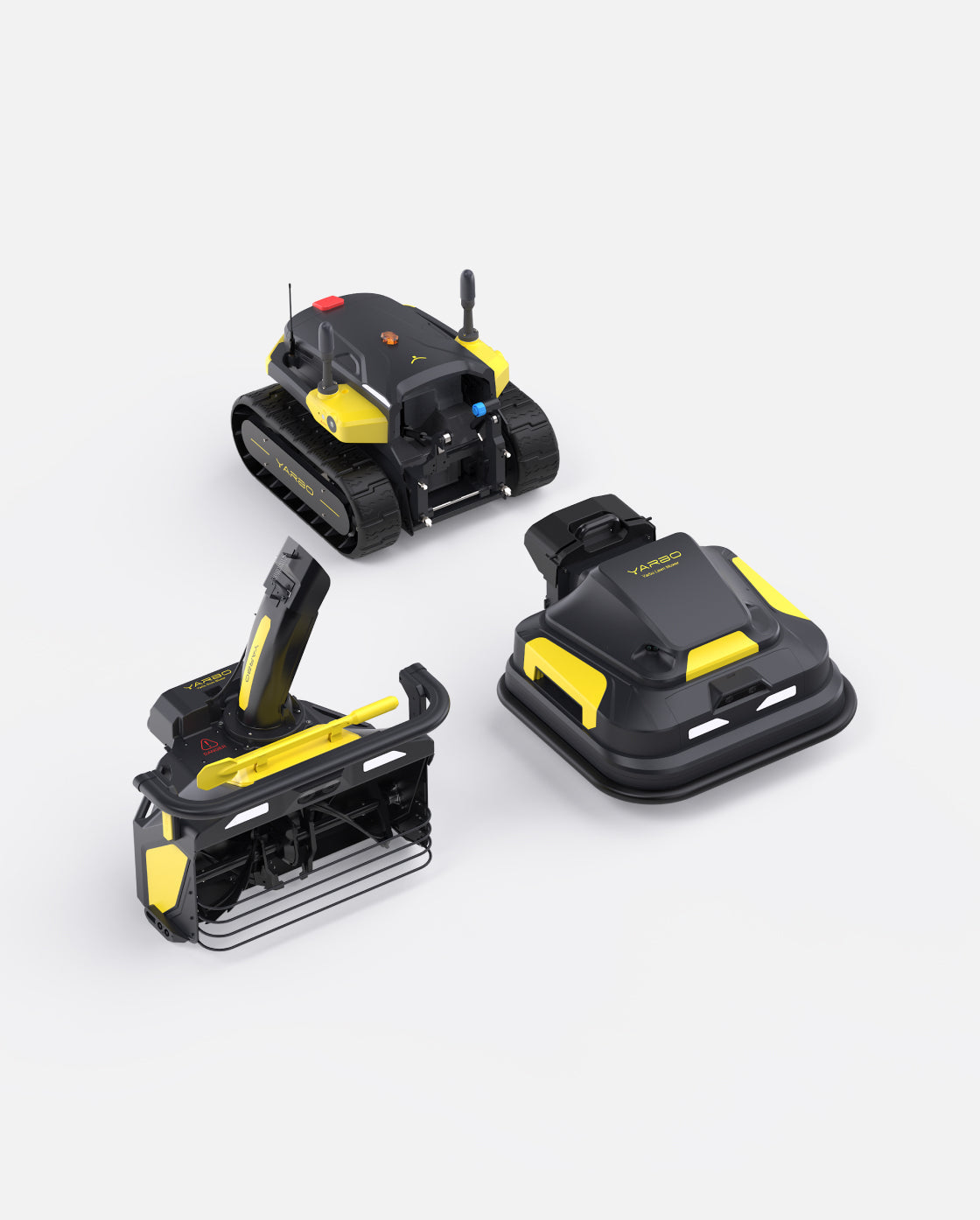


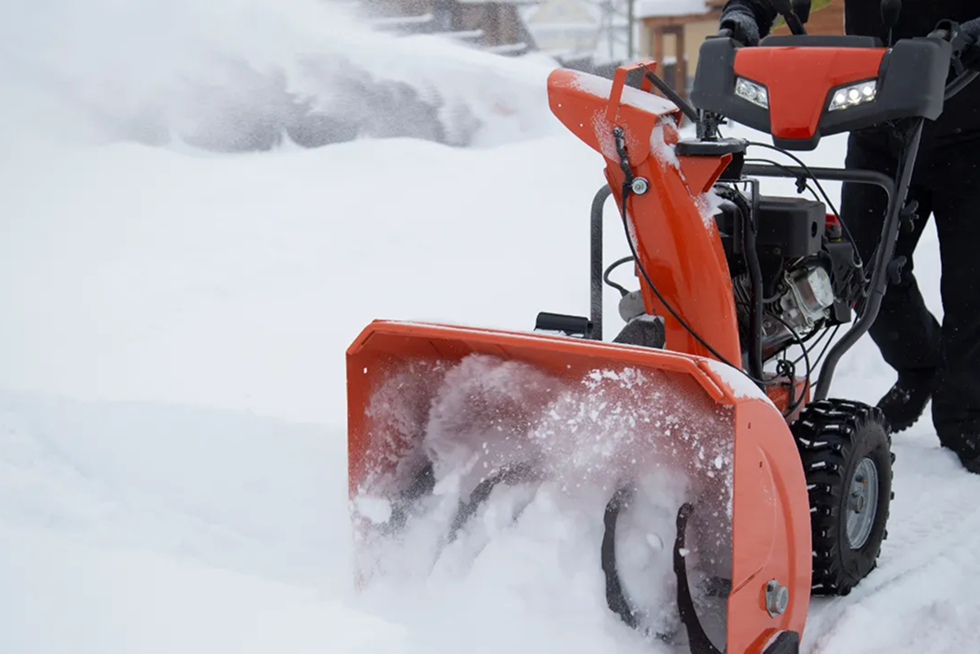
Table Of Contents
Winter cleanup can be exhausting, especially when the snowfall is heavy, wet, and piled higher than your boots. That’s exactly why self-propelled snow blowers have become so popular among homeowners. They reduce the physical work it takes to clear snow by moving forward on their own, almost like a lawn mower with built-in assistance. If you’ve ever struggled pushing a standard snow blower up an icy driveway, you already know why people search for the best self-propelled snow blower every season.
But here’s the big question most homeowners ask: Are self-propelled snow blowers actually worth the extra cost, or is it better to buy a cheaper manual-push model?
This guide breaks everything down simply, how they work, who needs them, when a riding snow blower is better, and how smart alternatives (like autonomous snow robots) may outperform both.
Let’s dig in.
This guide breaks everything down simply, how they work, who needs them, when a riding snow blower is better, and how smart alternatives (like autonomous snow robots) may outperform both.
Let’s dig in.
Why Snow Blower Storage Matters After Winter
A self-propelled snow blower is a snow-clearing machine equipped with a drive system that moves the unit forward automatically. Instead of pushing 150 to 300 pounds of machinery through snow, you simply squeeze the drive handles — and the machine moves itself.
Why Do They Matter?
Because winter isn’t getting any gentler.
Many areas now experience:
- Heavier, wetter snow
- More frequent storms
- Larger driveway clearing loads
- Colder temperatures that create icy surfaces
The average homeowner does 35–45 minutes of snow clearing per storm using a standard snow blower. With a self-propelled system, that time often drops by nearly half.
Are Self-Propelled Snow Blowers Worth the Extra Cost?
In most cases — yes, absolutely. Here’s why the investment usually pays off:
1.Reduced Physical Strain
Trying to push a snow blower uphill or through compacted snow is a nightmare. Self-propelled units remove that effort entirely.
2.Faster Clearing
These machines maintain steady forward motion, making your clearing speed more predictable.
3.Better for Larger Properties
If your driveway is long or sloped, a push-only blower loses value quickly.
4.Higher Durability
Most self-propelled machines are built as mid- to high-tier models, so you also get:
- Better steel housing
- Stronger engines
- Longer warranties
Types of Driving Systems
| Drive Type | Best For | Notes |
| Single-Speed | Small driveways | Simple but limited |
| Multiple-Speed | Medium/large areas | Better control |
| Track Drive | lcy or steep slopes | Maximum traction |
Machines with track drives often feel like small tanks — slow but extremely stable.

How Self-Propelled Snow Blowers Solve Winter Pain Points?
Here’s how they help:
- Physical Relief: No pushing, no lifting, no strain.
- Faster Clearing: Steady drive speeds improve efficiency.
- Slope Control: Propelled wheels or tracks grip better on inclines.
- Handling Wet Snow: Stronger augers help break down slushy buildup.
- More Control: Speed adjustments let you match snow density.

Conclusion
Self-propelled snow blowers are a smart upgrade for homeowners dealing with heavy snow, large driveways, or steep inclines. They save time, reduce physical effort, and handle tougher conditions better than manual-push models. Whether you choose a mid-size model or a riding snow blower, the investment pays off in long-term convenience.
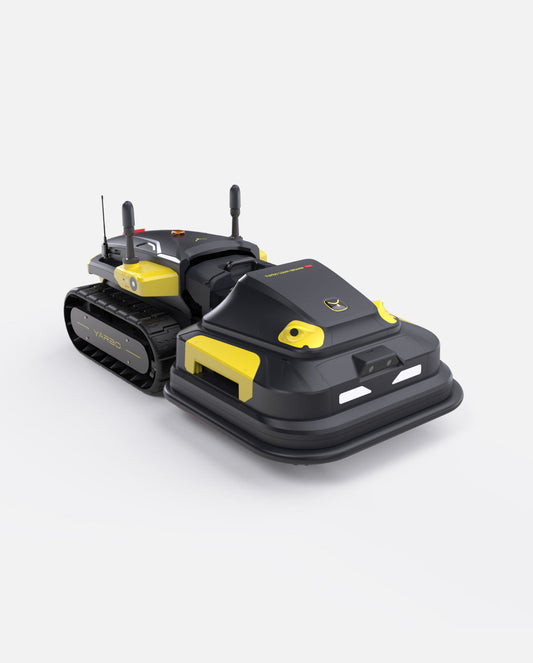
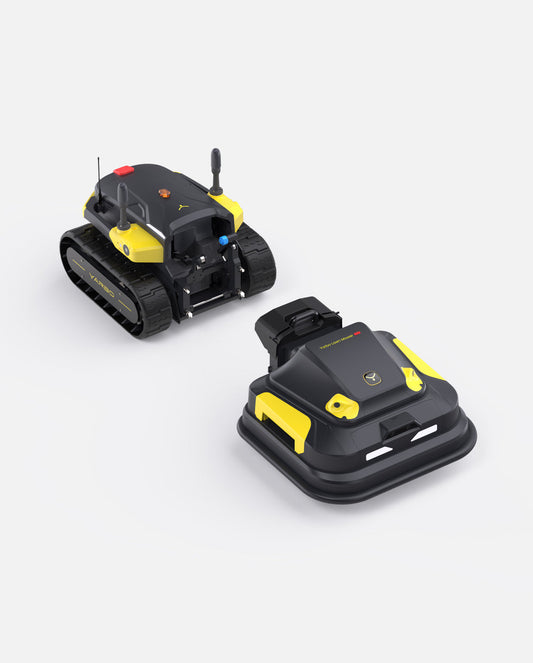
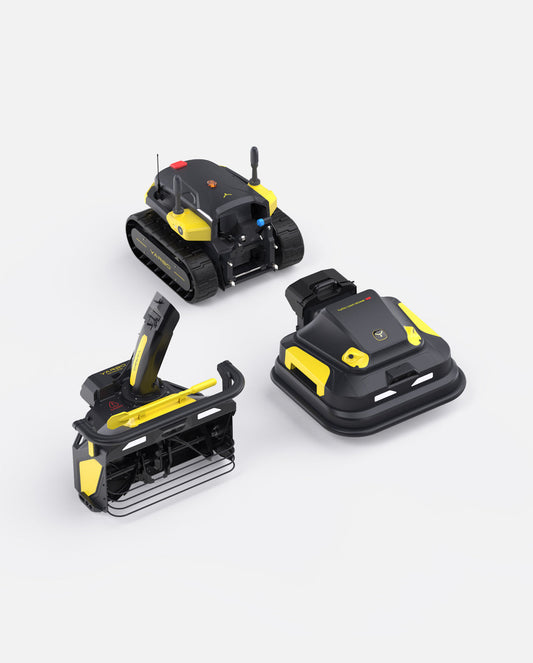
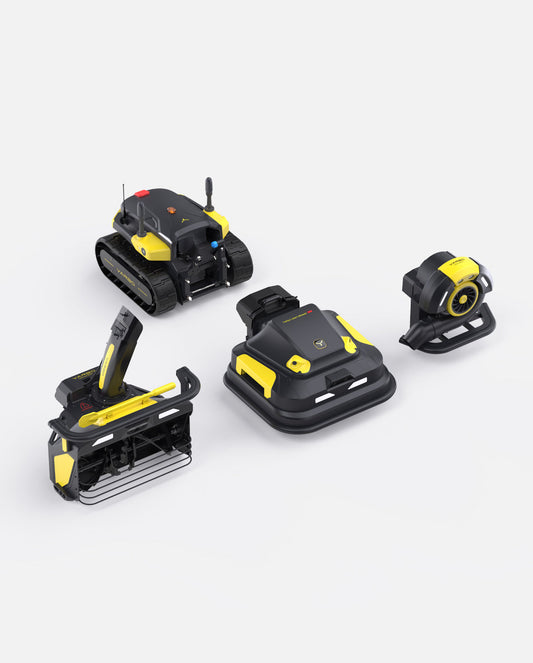
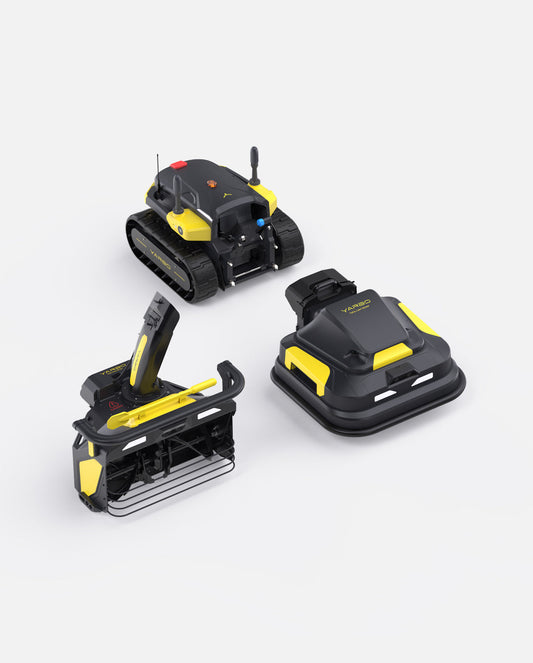
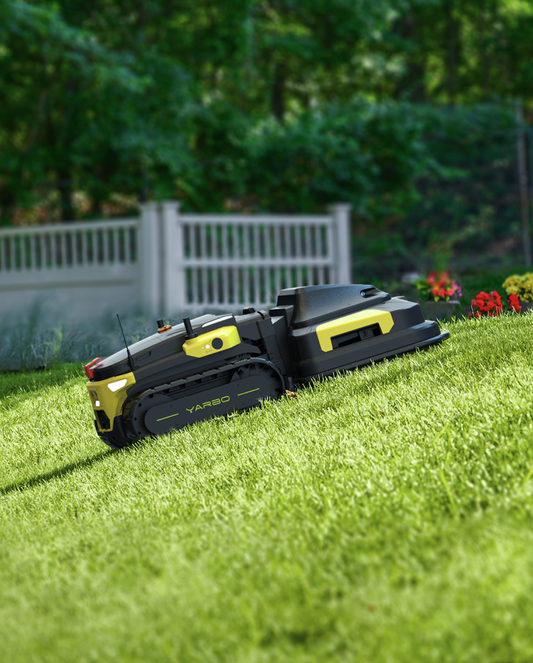
For homeowners who want effortless snow removal, autonomous robotic options like Yarbo bring a new level of convenience that traditional blowers can’t match.
FAQs
1.Are self-propelled snow blowers easier to use?
Yes. The drive system pushes the machine forward, reducing physical effort.
2.Is a self-propelled model good for steep driveways?
Yes — especially track-drive versions, which offer strong traction, for example, Yarbo, 70% climbing ability
3.How long do self-propelled snow blowers last?
With maintenance, 10–20 years is common.
4.Is a riding snow blower better than a walk-behind?
Only if you have a large property or a long driveway and also save a lot of time and energy.
Table Of Contents
Subscribe
- Afghanistan+93
- Albania+355
- Algeria+213
- Andorra+376
- Angola+244
- Antigua and Barbuda+1268
- Argentina+54
- Armenia+374
- Aruba+297
- Australia+61
- Austria+43
- Azerbaijan+994
- Bahamas+1242
- Bahrain+973
- Bangladesh+880
- Barbados+1246
- Belarus+375
- Belgium+32
- Belize+501
- Benin+229
- Bhutan+975
- Bolivia+591
- Bosnia and Herzegovina+387
- Botswana+267
- Brazil+55
- British Indian Ocean Territory+246
- Brunei+673
- Bulgaria+359
- Burkina Faso+226
- Burundi+257
- Cambodia+855
- Cameroon+237
- Canada+1
- Cape Verde+238
- Caribbean Netherlands+599
- Central African Republic+236
- Chad+235
- Chile+56
- China+86
- Colombia+57
- Comoros+269
- Congo+243
- Congo+242
- Costa Rica+506
- Côte d’Ivoire+225
- Croatia+385
- Cuba+53
- Curaçao+599
- Cyprus+357
- Czech Republic+420
- Denmark+45
- Djibouti+253
- Dominica+1767
- Dominican Republic+1
- Ecuador+593
- Egypt+20
- El Salvador+503
- Equatorial Guinea+240
- Eritrea+291
- Estonia+372
- Ethiopia+251
- Fiji+679
- Finland+358
- France+33
- French Guiana+594
- French Polynesia+689
- Gabon+241
- Gambia+220
- Georgia+995
- Germany+49
- Ghana+233
- Greece+30
- Grenada+1473
- Guadeloupe+590
- Guam+1671
- Guatemala+502
- Guinea+224
- Guinea-Bissau+245
- Guyana+592
- Haiti+509
- Honduras+504
- Hong Kong+852
- Hungary+36
- Iceland+354
- India+91
- Indonesia+62
- Iran+98
- Iraq+964
- Ireland+353
- Israel+972
- Italy+39
- Jamaica+1876
- Japan+81
- Jordan+962
- Kazakhstan+7
- Kenya+254
- Kiribati+686
- Kosovo+383
- Kuwait+965
- Kyrgyzstan+996
- Laos+856
- Latvia+371
- Lebanon+961
- Lesotho+266
- Liberia+231
- Libya+218
- Liechtenstein+423
- Lithuania+370
- Luxembourg+352
- Macau+853
- Macedonia+389
- Madagascar+261
- Malawi+265
- Malaysia+60
- Maldives+960
- Mali+223
- Malta+356
- Marshall Islands+692
- Martinique+596
- Mauritania+222
- Mauritius+230
- Mexico+52
- Micronesia+691
- Moldova+373
- Monaco+377
- Mongolia+976
- Montenegro+382
- Morocco+212
- Mozambique+258
- Myanmar+95
- Namibia+264
- Nauru+674
- Nepal+977
- Netherlands+31
- New Caledonia+687
- New Zealand+64
- Nicaragua+505
- Niger+227
- Nigeria+234
- North Korea+850
- Norway+47
- Oman+968
- Pakistan+92
- Palau+680
- Palestine+970
- Panama+507
- Papua New Guinea+675
- Paraguay+595
- Peru+51
- Philippines+63
- Poland+48
- Portugal+351
- Puerto Rico+1
- Qatar+974
- Réunion+262
- Romania+40
- Russia+7
- Rwanda+250
- Saint Kitts and Nevis+1869
- Saint Lucia+1758
- Saint Vincent and the Grenadines+1784
- Samoa+685
- San Marino+378
- São Tomé and Príncipe+239
- Saudi Arabia+966
- Senegal+221
- Serbia+381
- Seychelles+248
- Sierra Leone+232
- Singapore+65
- Slovakia+421
- Slovenia+386
- Solomon Islands+677
- Somalia+252
- South Africa+27
- South Korea+82
- South Sudan+211
- Spain+34
- Sri Lanka+94
- Sudan+249
- Suriname+597
- Swaziland+268
- Sweden+46
- Switzerland+41
- Syria+963
- Taiwan+886
- Tajikistan+992
- Tanzania+255
- Thailand+66
- Timor-Leste+670
- Togo+228
- Tonga+676
- Trinidad and Tobago+1868
- Tunisia+216
- Turkey+90
- Turkmenistan+993
- Tuvalu+688
- Uganda+256
- Ukraine+380
- United Arab Emirates+971
- United Kingdom+44
- United States+1
- Uruguay+598
- Uzbekistan+998
- Vanuatu+678
- Vatican City+39
- Venezuela+58
- Vietnam+84
- Yemen+967
- Zambia+260
- Zimbabwe+263
I understand the Privacy Policy and agree to receive personalized messages from Yarbo by email or SMS.
You have successfully subscribed!!
Check your welcome email for exclusive discounts.
Email Check Needed
We are unable to verify your email address.
Please check if the email
is correct.